Your jewelry store, findable the way customers actually shop.
We audit your full product catalog, build a clean category hierarchy by type, collection, material, and style, and remap every product so nothing gets lost and every visitor lands exactly where they should.
Broken navigation costs you sales every day.
When a shopper cannot find a ring by metal, style, or occasion in three clicks, they leave. Most jewelry stores grow into their navigation organically and end up with overlapping categories, untagged products, and dead-end pages. We fix the structure so your catalog works as hard as your products look.
Three core pillars, one coherent storefront.
Every deliverable maps directly to the shopping paths your customers already use. Nothing arbitrary, nothing templated.
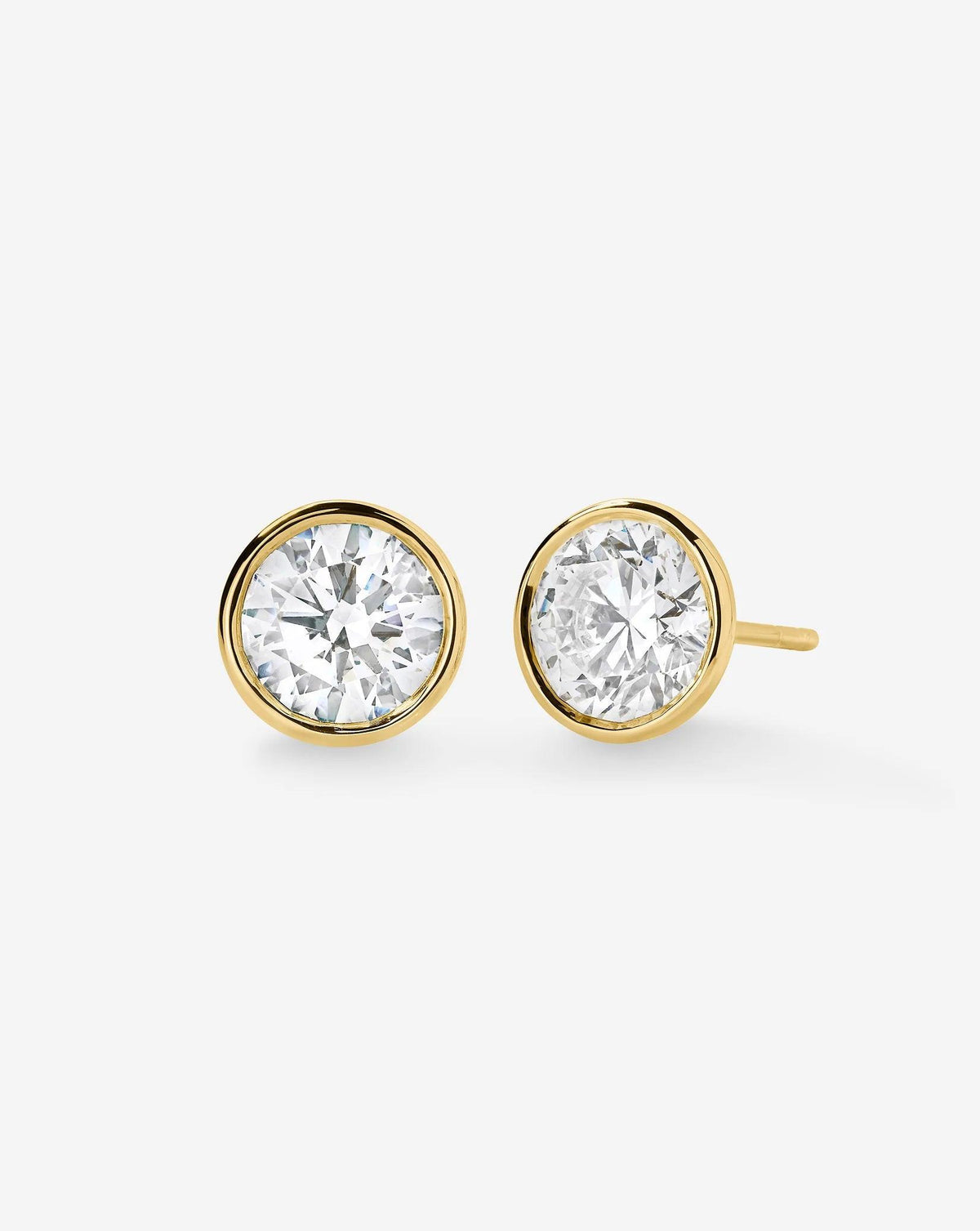
Catalog Audit
We map every product you have against what it actually is: type, metal, stone, style, occasion, and price band. Gaps and conflicts get flagged before anything moves.
See the process >
Navigation Redesign
A main menu and submenu structure that lets shoppers browse by jewelry type, active collection, material, or style without hitting a dead end. Built for scan speed and for SEO.
See the framework >
Taxonomy Documentation
A living framework document that defines every category, subcategory rule, and tag standard. Your team can add products six months from now and they will slot in correctly, first time.
See deliverables >A hierarchy built for how people shop jewelry.
The framework organizes your catalog across four browsing dimensions at once: product type, active collection, primary material, and style or occasion. Every product gets tagged across all four axes so it can surface from any entry point.
The result is a navigation tree that works for the first-time visitor browsing by occasion, the gift-buyer filtering by budget, and the returning customer who knows exactly which collection she wants.

What the main menu looks like after restructure.
Clean, scannable, and immediately intuitive. Each top-level item resolves to a real category page with filtered subcategories and a full product grid, not a dead-end landing page or a flat list of everything.
Discuss your menu structure >Every deliverable, scoped and clear.
No guesswork on what is and is not included. Each item below is a real output you can hand to a developer or use yourself.
From audit to live taxonomy in four stages.
The process is designed to move fast without guessing. You review and approve at each gate before anything is implemented on your live store.
Catalog Review
You give us read access to your product catalog. We export, map, and flag every product against our proposed framework. Typically delivered within three business days.
Hierarchy Proposal
We present the full category tree, navigation wireframes, and URL strategy for your approval. One round of revisions is included. You sign off before anything moves.
Remap & Tagging
Every product is reassigned in the migration file. Tags are applied across all four dimensions. You get the full file plus a checklist confirming zero products were lost.
Handoff & Handbook
Migration file, redirect map, and taxonomy handbook are delivered together. We walk you through the document so your team can maintain the structure independently.
"A jewelry store's navigation is not a filing system. It is the first shopping experience a customer has. If it does not feel intuitive in three seconds, you have already lost them."Niknenz Collections - Project brief
Ready to rebuild your store's navigation?
This proposal page is built around the job brief, the current password-protected Shopify storefront, and the clean navigation pattern used by premium jewelry stores.
Proposal response at a glance
The full project is structured to answer the listing directly: audit the catalog, rebuild the category tree, remap every product, and leave the team with a clear rulebook for future products.
Send the project brief
Use this contact brief to collect the catalog link, platform, product count, and the main navigation issues before work begins.